History of the Port of Hamburg: A Traveler's Guide
Explore the fascinating history of Hamburg's port, from the Hanseatic League to the modern container age, seen from a harbor cruise.
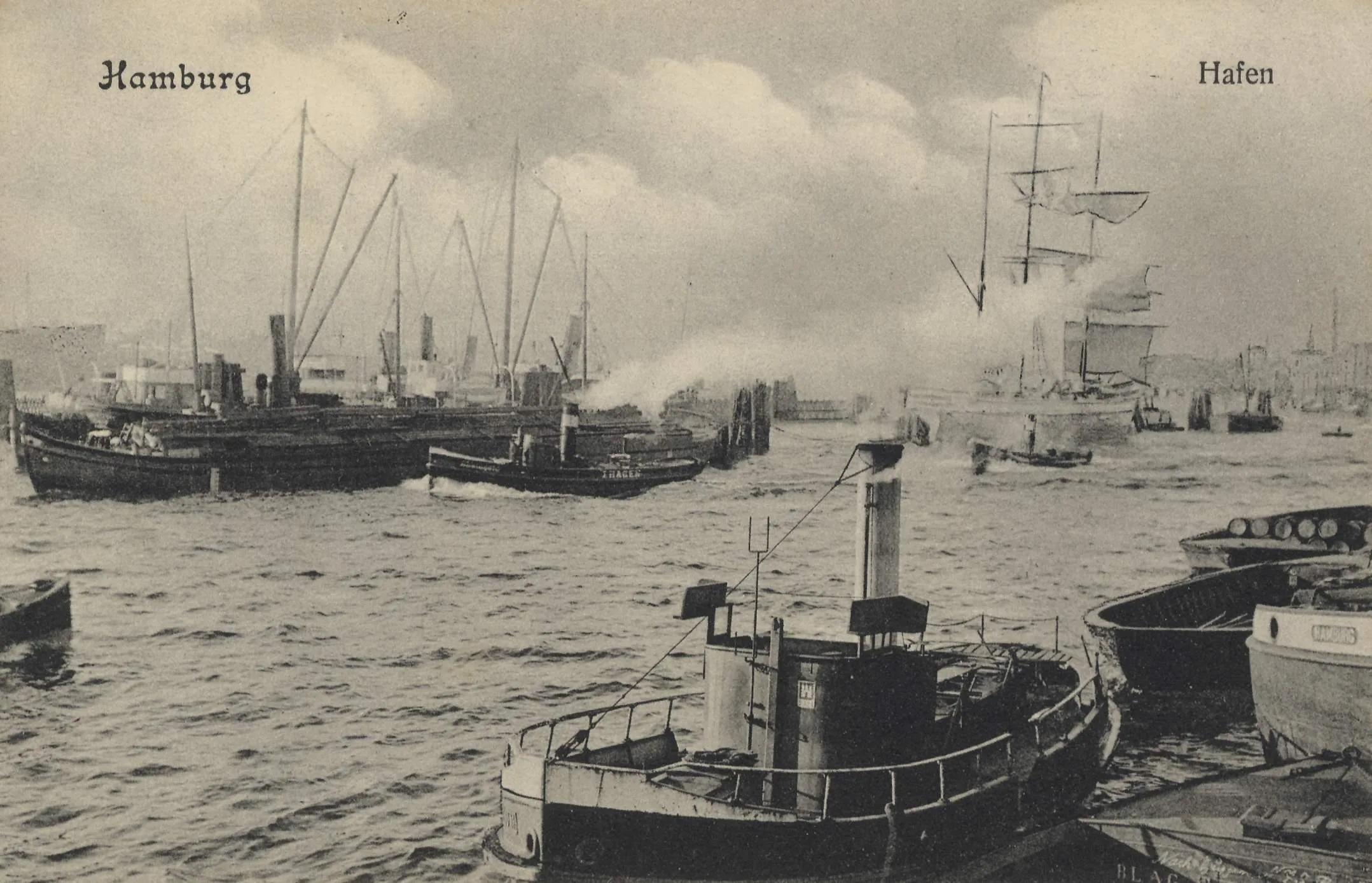
When you take a harbor cruise in Hamburg, you aren't just looking at ships; you are floating through 800 years of history. Understanding the context makes the sights much more meaningful.
The Beginning: 1189
Legend has it that Emperor Frederick Barbarossa issued a charter granting Hamburg customs-free access to the North Sea on May 7th, 1189. This date is still celebrated annually as the "Hafengeburtstag" (Port Anniversary), the world's biggest port festival.
The Hanseatic League
In the Middle Ages, Hamburg joined the Hanseatic League, a powerful merchant alliance of Northern European cities. The port became a key transshipment point for grain, cloth, furs, and spices. The wealth from this era built the city's foundations, though little physical evidence remains due to the Great Fire of 1842 which destroyed much of the old town.
The Emigration Era (1850-1934)
Hamburg was the "Gateway to the World" for over 5 million emigrants leaving Europe for the Americas. They came from Germany, Russia, and Eastern Europe to board ships like those of the HAPAG line. The BallinStadt museum (a stop on maritime circle tours) tells their moving stories.
The Free Port & Warehouse District
In the late 19th century, Hamburg joined the German Customs Union but negotiated to keep a "Free Port" zone. This necessitated the building of the Speicherstadt (1883) to store goods duty-free. These warehouses held coffee, cocoa, and oriental carpets worth billions. It required demolishing residential quarters and relocating thousands of people.
Destruction and Rebirth
During WWII, the port was a primary target and was almost completely destroyed. The frantic rebuilding in the 1950s and the transition to container shipping in the 1960s shaped the modern port you see today. Check out the museum ship Cap San Diego to see what ships looked like just before containers took over.
Seeing History Today
- Rickmer Rickmers: A 19th-century windjammer.
- The Old Elbe Tunnel (1911): An engineering marvel that allowed workers to commute under the river.
- HafenCity: The newest chapter, building a city on top of the old port infrastructure, reclaiming the waterfront for living rather than industry.
A cruise is a journey through time, showing how Hamburg constantly reinvents itself while looking to the sea.
About the Author

Historian
This guide is written by locals who love the salty air and the sound of foghorns. We want you to navigate Hamburg like a true Hanseat—efficiently, comfortably, and with a keen eye for the hidden gems along the route.
Tags
Comments (0)
Loading comments...